|
Inclusivity @ JAG The Inclusivity@JAG working group was set up in 2025 to examine differential attainment in endoscopy training – the gap in outcomes between groups that cannot be explained by ability alone. The differential attainment in advanced endoscopy report presents evidence of unequal access, progression and representation, critiques aspects of the current colonoscopy certification process and sets out JAG’s proposed 3-year programme to measure and reduce avoidable barriers. Why action is needed Advanced endoscopy does not reflect the profile of the wider workforce or trainee population. Women account for 42% of gastroenterology trainees, yet 95% of ERCPists are men and 37% of that workforce are nearing retirement. Women represent only 14.7% of bowel cancer screening consultants, although 76% of clinical endoscopists who want bowel cancer screening accreditation are women. Evidence also shows that female trainees are less likely to achieve provisional colonoscopy certification during training and take longer to certify than men (45% versus 55%; 63 versus 56 months). Regional variation and limited access to advanced endoscopy training suggest that gender interacts with geography, professional background and other characteristics. These inequalities present both a fairness issue and a material risk to workforce sustainability across the four UK nations. What the evidence indicates Existing measures and datasets are not sufficient to explain the scale or causes of differential attainment. Earlier certification research did not include intersectional analysis, excluded trainees with breaks of more than 90 days and focused heavily on caecal intubation rates rather than the full range of technical and non-technical skills. This may disadvantage trainees who work less than full time, take parental, sick or compassionate leave, or need additional support. Access to training lists, mentorship, visible role models, psychologically safe learning environments and fair return-to-training arrangements are likely to influence progression. JAG's proposed response The Inclusivity@JAG working group proposes a five-phase approach: Phase 1: Define the extent of differential attainment in endoscopy training. Phase 2: Measure the impact of these factors and unconscious bias through qualitative research and survey data. Phase 3: Develop and implement a plan to reduce the attainment gap. Phase 4: Continuously measure and reduce the attainment gap. Phase 5: Eliminate surmountable barriers in advanced endoscopy and support an inclusive training environment in which diversity thrives. Immediate priorities JAG will:
Proposed interventions include:
Outcome and accountability Phase 1 is underway. Findings will inform measurable targets and changes to training, accreditation and support. JAG will report progress to the JAG training group, publish annual updates and present ethnicity and gender data through relevant governance routes. Success will mean demonstrably fairer access, progression and certification, a more representative advanced endoscopy workforce and a sustainable service for patients.
Who is involved
|
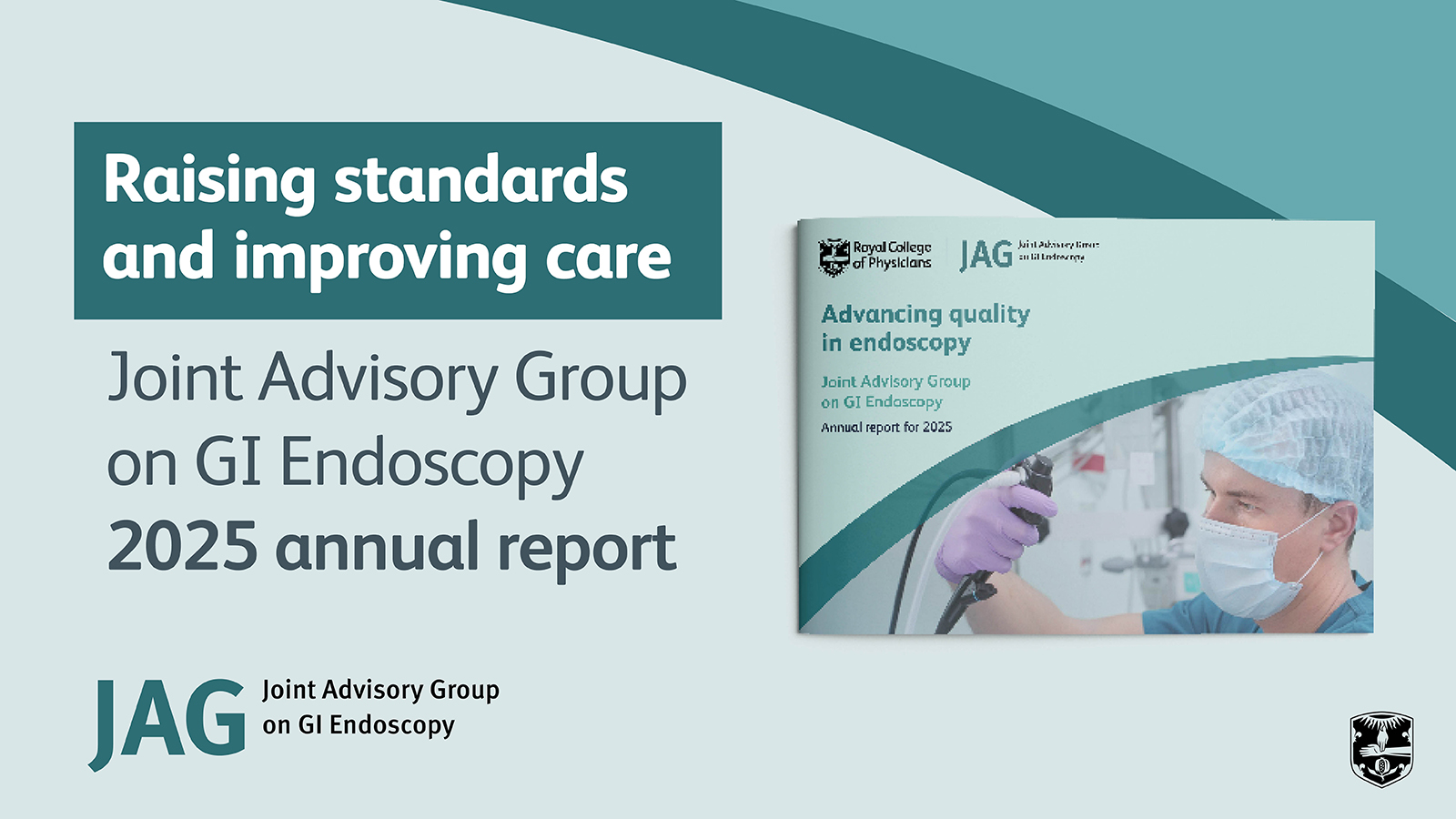
JAG introduces 2025 annual report!
JAG has published its latest annual report, showcasing another year of progress across accreditation, training and data programmes.
The report highlights key achievements from 2025 and demonstrates how JAG continues to support high-quality endoscopy services across the UK and Republic of Ireland.
You can read the full report by clicking on the image below: